


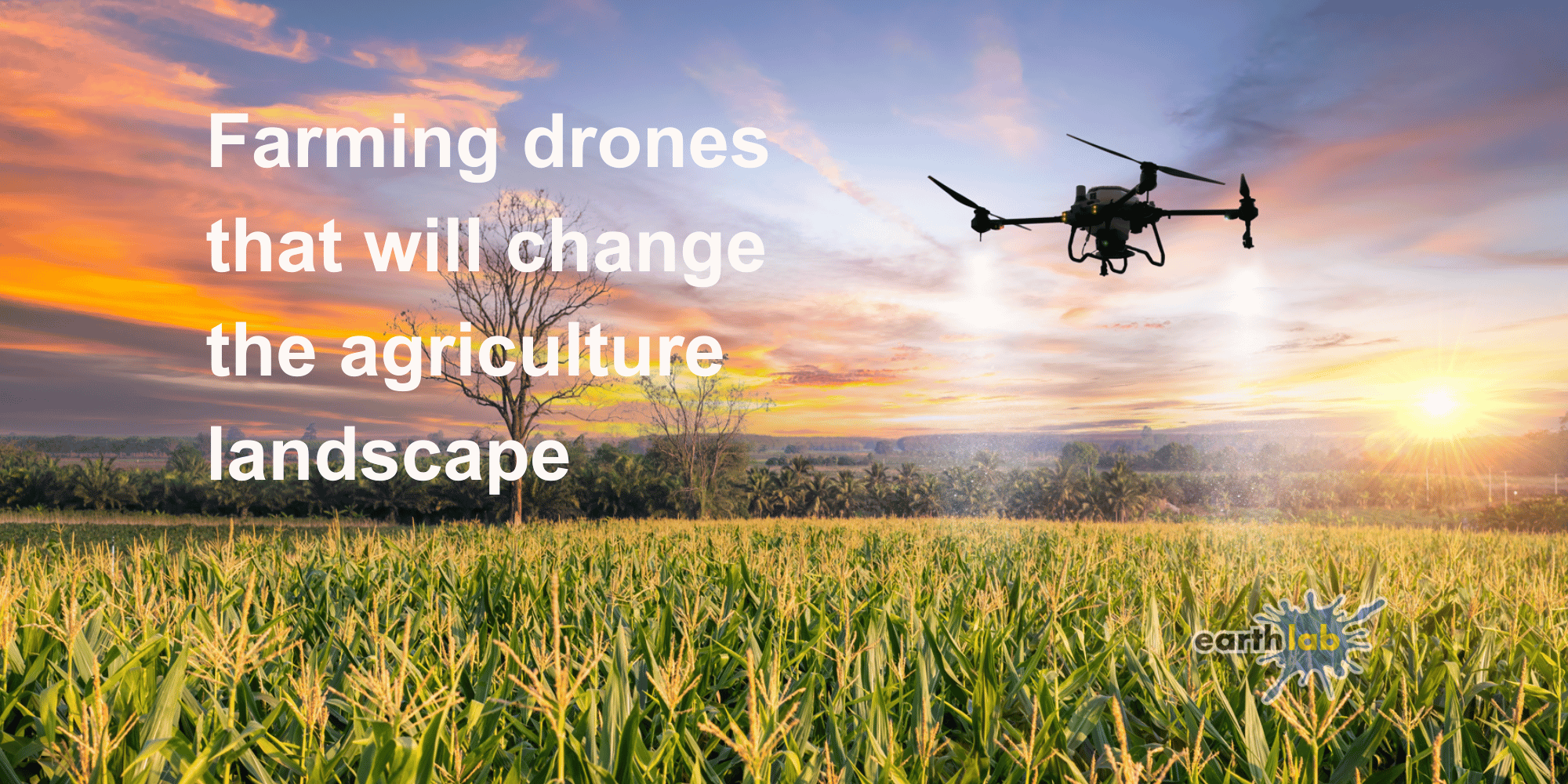
With challenges such as food security, land limitations, and climate change, agriculture drones are becoming essential tools for sustainable and efficient farming practices, providing precise data and enabling targeted operations that promise improved yields and resource management. These drones are revolutionizing farming practices through various applications such as spraying, crop scouting, field mapping, variable rate application, and crop monitoring.
This technology bring numerous benefits to farmers and the agricultural industry such as increased efficiency and productivity. By automating many time-consuming tasks and providing real-time data, drones allow farmers to make informed decisions quickly and allocate resources more effectively. This leads to optimized crop yields and reduced labor costs, as farmers can focus their efforts where they are most needed.
While challenges remain, particularly in terms of cost, regulation, and technical expertise, the potential benefits of agriculture drones far outweigh the obstacles. By embracing this technology, farmers can not only improve their own operations but also contribute to addressing global challenges such as food security and environmental conservation.